
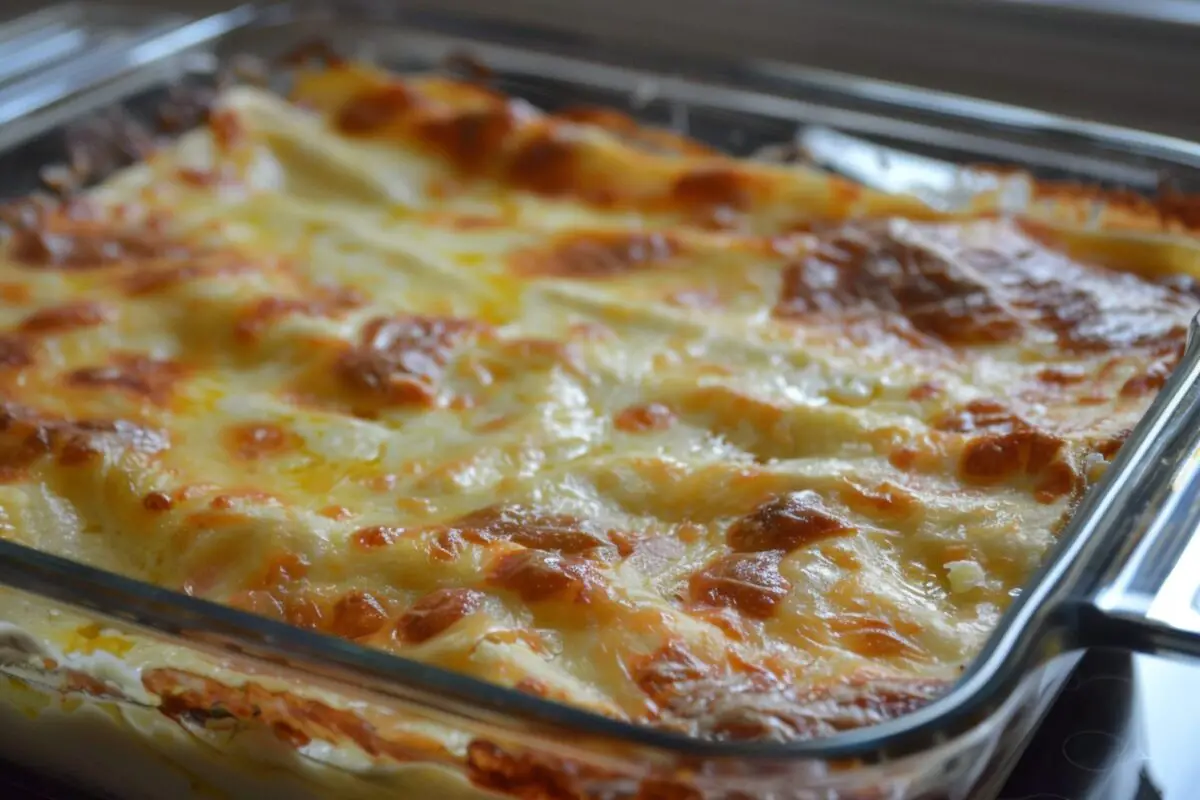
Lasagna is a culinary masterpiece that has captured hearts worldwide with its rich layers and versatile flavors. As a dish rooted in tradition, it brings together layers of pasta, savory sauces, and melted cheese to create an experience that is both comforting and indulgent. While lasagna is commonly associated with Italian cuisine, its appeal has transcended borders, making it a favorite for families, gatherings, and celebrations. Its flexibility allows for numerous variations, accommodating both classic tastes and modern dietary needs, proving that lasagna is more than just a meal—it’s an art.
Historical Background
The origins of this beloved recipe can be traced back to ancient civilizations. For instance, the term derives from the Greek word “lasanon, referring to a cooking pot, which later inspired its name. During the Middle Ages, the concept of layering pasta with fillings began to take shape. By the Renaissance, it evolved into a structured meal featuring pasta, sauces, and cheeses, resembling what we know today.
Each region in Italy contributed to lasagna’s diversity:
- Northern Italy: Known for using béchamel sauce and egg-based pasta.
- Southern Italy: Popular for tomato-based sauces and ricotta cheese.
This historical evolution highlights how lasagna reflects the cultural and regional influences of Italy while retaining its core appeal.
Types of Lasagna
One of the reasons for lasagna’s universal appeal is its adaptability. Over time, various types of lasagna have emerged, catering to different tastes and dietary preferences.
1. Traditional Lasagna
- To begin with, the classic version features layers of pasta, meat sauce, béchamel, and cheese. As a result, it is loved for its rich and hearty flavor. For tips on perfecting this dish, see The Kitchn’s Guide.
2. Vegetarian Lasagna
- Ideal for plant-based eaters, incorporating vegetables like spinach, zucchini, and mushrooms.
- Often includes plant-based proteins or tofu as substitutes for meat.
3. Seafood Lasagna
- this combines delicate flavors of seafood like shrimp, crab, or scallops with creamy sauces, creating a luxurious twist.
4. Gluten-Free Lasagna
- Uses alternatives like zucchini slices, eggplant, or gluten-free pasta sheets.
- Provides a flavorful experience for those with dietary restrictions.
5. Vegan Lasagna
- Vegan Lasagna **Finally, this version excludes all animal products, substituting cheese with plant-based alternatives, and incorporates nutrient-dense ingredients for a wholesome meal.
Choosing the Right Pasta
The type of pasta you choose significantly impacts the texture and structure of your lasagna. High-quality pasta creates a foundation that holds the dish together while complementing the flavors of the fillings and sauces, try making your own homemade pasta sheets for a truly authentic experience. Moreover, using fresh pasta sheets provides a tender texture that absorbs flavors beautifully.
- Fresh Pasta Sheets: Provide a tender, delicate texture and absorb flavors well.
- Dry Pasta Sheets: Convenient and durable, available in pre-boiled or no-boil varieties.
- Alternatives:
- Zucchini slices for a low-carb option.
- Gluten-free pasta for individuals with dietary restrictions.
Ensure the pasta is cooked al dente if pre-boiled, as it will continue to soften during baking. This prevents sogginess and maintains the integrity of the layers.
Crafting the Perfect Sauce
The sauce serves as the flavor backbone, binding the layers together and enriching every bite. Typically, two primary types are used:
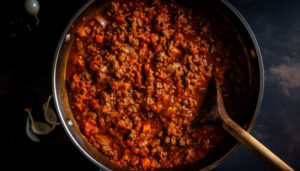
1. Tomato-Based Sauce
- Made with ripe tomatoes, garlic, onions, and a mix of herbs.
- Can be enriched with ground meat for added depth.
2. Cream-Based Sauce
- Béchamel sauce, prepared with butter, flour, and milk, adds a creamy consistency.
- Ideal for balancing acidic ingredients like tomatoes.
- Similarly , béchamel, prepareTherefore,Epicurious.
Tips for crafting a standout sauce:
- Use fresh or high-quality canned tomatoes for optimal flavor.
- Allow sauces to simmer, enabling spices and ingredients to meld together.
- Adjust seasoning with salt, pepper, and fresh herbs like basil.
A well-prepared sauce can elevate lasagna from ordinary to extraordinary.
Layers and Assembly
The assembly of lasagna is both an art and a science. Proper layering ensures that the dish cooks evenly while delivering the desired balance of flavors and textures.
1. Start with Sauce
- Spread a thin layer of sauce on the bottom of the baking dish to prevent sticking.
2. Add Pasta
- Next, lay the pasta sheets flat, ensuring full coverage.
3. Alternate Fillings
- Then, add a layer of meat, vegetables, or cheese, followed by sauce. Continue the process, alternating layers and ensuring even distribution.
4. Finish with Cheese
- Finally, top the last layer with a generous amount of shredded cheese for a golden, bubbly crust.Consequently, following this method creates perfectly balanced layers that meld together beautifully during baking. For advice on assembling, see Serious Eats.
Pro Tips:
- Avoid overstuffing, as it can cause uneven cooking.
- Allow each layer to settle before adding the next for better structure.
Baking Techniques
Perfect baking transforms lasagna from a pile of layers into a cohesive dish. To achieve the ideal balance of cooked layers and a crispy top, follow these steps:
1. Preheat the Oven
- Preheat to 375°F (190°C) for consistent cooking.
2. Cover During Baking
- Use aluminum foil to cover the dish for the first 30 minutes, trapping moisture and ensuring even cooking.
3. Uncover for Browning
- Remove the foil during the last 15–20 minutes to create a golden, bubbly crust.
4. Rest Before Serving
- Let the lasagna rest for 10–15 minutes after removing it from the oven. This step ensures clean slices and prevents the layers from sliding.
Pro tip: Use an internal thermometer to check that the lasagna reaches an internal temperature of 165°F (74°C) for safe consumption.
Lasagna is a dish that invites creativity and tradition, blending flavors, textures, and techniques into an unforgettable experience. By mastering each step—from selecting quality ingredients to baking with precision—you can create a lasagna that satisfies and impresses every time.
Baking Techniques
Baking is a critical step in making perfectthe lasagna</em>. Proper baking ensures that the layers meld together while achieving a golden, bubbly crust. To master this process, follow these techniques:
1. Preparation

heat the Oven
- Preheat your oven to 375°F (190°C) for consistent heat distribution.
- Adjust the temperature slightly depending on the recipe or oven type.
2. Cover for Moisture
- Cover the lasagna with aluminum foil during the first 30–40 minutes of baking.
- This prevents excessive moisture loss and keeps the layers tender.
3. Remove Foil for Browning
- Uncover the dish during the final 15–20 minutes to let the cheese brown.
- For an extra-crispy top, switch to broil for the last few minutes.
4. Rest Before Serving
- Allow the lasagna to rest for at least 10–15 minutes after removing it from the oven.
- This step helps the layers set and makes slicing easier.
Serving Lasagna
Serving lasagna is an art that ensures every slice looks as appealing as it tastes. By preparing and plating with care, you can create a memorable dining experience.
1. Rest and Cool
- Resting lasagna after baking is crucial for clean slices.
- Use a sharp knife to cut portions and a flat spatula for serving.
2. Pairings and Sides
- Serve lasagna with:
- Garlic bread or focaccia.
- Fresh green salads with vinaigrette.
- Roasted vegetables for added texture.
3. Presentation Tips
- Garnish with fresh basil or parsley for a pop of color.
- Use pre-heated plates to keep lasagna warm while serving.
Serving lasagna beautifully elevates its visual appeal and enhances the dining experience.
Nutritional Information
Lasagna is known for its hearty ingredients, offering a balanced combination of carbohydrates, proteins, and fats. However, its nutritional profile can vary based on the recipe.
Traditional Lasagna
-
Calories: Approximately 300–400 per serving.
- Proteins: High, thanks to meat and cheese.
- Carbs: Primarily from pasta sheets.
- Fats: From cheeses, sauces, and meats.
Healthier Options
- Vegetarian Lasagna: Lower in fat and calories, with increased fiber from vegetables.
- Gluten-Free Lasagna: Reduces carbohydrates by using zucchini or eggplant layers.
- Vegan Lasagna: Eliminates animal fats, substituting with nutrient-rich plant-based options.
By modifying ingredients, lasagna can fit a variety of nutritional goals.
Regional Variations
Lasagna is beloved worldwide, with each region adding its unique touch to the dish. From Italy to global adaptations, regional variations highlight the dish’s versatility.
Italian Styles
- Lasagna al Forno: Features béchamel sauce and meat in Northern Italy.
- Neapolitan Lasagna</strong>: Includes ricotta, mozzarella, and tomato sauce in Southern Italy.
Global Twists
- Mexican Lasagna</strong>: Replaces pasta with tortillas and uses salsa and beans.
- Greek Lasagna (Pastitsio): Incorporates cinnamon-spiced meat sauce and béchamel.
- Indian Lasagna</strong>: Layers curry-flavored fillings with spiced sauces.
Exploring regional variations allows you to experience lasagna in new and exciting ways.
Lasagna for Special Diets
Lasagna’s adaptability makes it an excellent choice for those with dietary restrictions. For gluten-sensitive individuals, alternatives like zucchini slices or gluten-free pasta sheets provide a flavorful base. Furthermore, exploring https://www-free alternatives can open up a range of possibilities, ensuring everyone can enjoy this classic dish.
1. Gluten-Free
- Replace pasta sheets with zucchini, eggplant, or gluten-free noodles.
- Ensure sauces and cheese are free of gluten-containing additives.
2. Vegan
- Use plant-based cheeses and proteins.
- Substitute béchamel with cashew cream or coconut milk.
3. Low-Carb
- Opt for vegetable slices or cauliflower sheets as a pasta alternative.
- Focus on cheese and protein-rich fillings.
4. Dairy-Free
- Replace cheese with dairy-free alternatives like almond or soy-based products.
With these adaptations, lasagna remains accessible to everyone.
Storing and Reheating
Lasagna is an ideal dish for meal prep, as it stores and reheats well. Proper techniques ensure it retains its flavor and texture.
Storing Lasagna
- Refrigerator: Store in an airtight container for up to 4–5 days.
- Freezer: Wrap in plastic and aluminum foil or place in a freezer-safe container. Can be frozen for up to 3 months.
Reheating Lasagna
- Microwave: Cover with a damp paper towel to retain moisture.
- Oven:
-
- Preheat to 350°F (175°C).
<li>Cover with foil and bake for 20–25 minutes.
-
- Stovetop: Heat individual slices in a covered skillet on low.
Storing and reheating properly helps you enjoy lasagna leftovers without compromising quality.
FAQs
1. Can I Make Lasagna Ahead of Time?
Yes, lasagna can be assembled and stored in the refrigerator for up to 24 hours before baking. This makes it a convenient option for events or meal prep.
2. Do I Need to Boil Pasta Sheets?
Pre-boiling is necessary for some dry pasta sheets, but many brands offer no-boil options. Fresh pasta sheets do not require boiling.
3. How Do I Prevent Soggy Lasagna?
- Use thick, well-drained sauces.
- Avoid overloading layers with too much filling or sauce.
- Bake uncovered during the last 15 minutes for moisture control.
4. What Is the Best Way to Freeze Lasagna?
Freeze lasagna in portions for easier reheating. Wrap tightly to prevent freezer burn and label with the date.
5. Can Lasagna Be Made Without Cheese?
Conclusion
This Italian classic is a culinary treasure, beloved for its rich flavors, satisfying layers, and endless versatility. From its historical roots in Italy to modern adaptations, it continues to delight diners around the globe. By mastering key techniques, such as crafting the perfect sauce, layering with care, and baking to perfection, you can create a dish that impresses every time. For more ideas, visit AllRecipes.
[tasty-recipe id=”565″]