
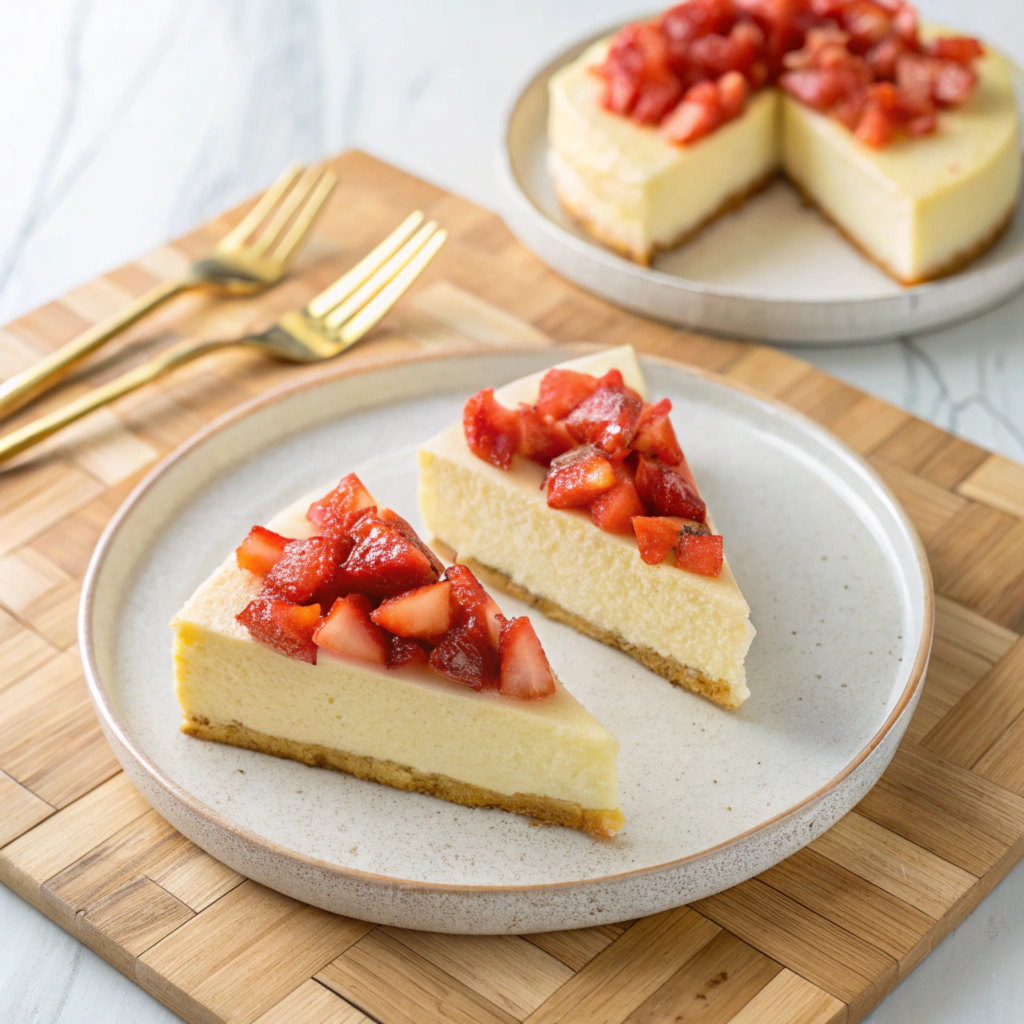
Cottage cheese cake is a delightful dessert that combines creamy textures with a touch of tanginess, making it a favorite treat for many. This guide will walk you through everything you need to know about making this irresistible dessert, from understanding its unique appeal to mastering the art of preparation. Whether you’re a seasoned baker or a kitchen novice, this article has something for everyone.
Understanding Cottage Cheese Cake
What Makes Cottage Cheese Cake Special?
Cottage cheese cake stands out because of its light, fluffy texture, and subtle tangy flavor. Unlike traditional cheesecakes that rely on cream cheese, this dessert uses cottage cheese as the star ingredient, adding a nutritious twist. The result? A dessert that feels indulgent yet surprisingly wholesome.
The creamy richness of cottage cheese blends beautifully with other ingredients, creating a melt-in-your-mouth experience. Its versatility allows for endless customization, from fruit toppings to chocolate swirls; the possibilities are endless!
Health Benefits of Cottage Cheese Cake
You might be surprised to learn that this cake isn’t just tasty; it’s also packed with nutritional benefits. Cottage cheese is rich in protein, calcium, and essential vitamins, making this dessert a guilt-free indulgence. It’s a fantastic way to satisfy your sweet tooth without overloading with sugar and unhealthy fats.
Moreover, swapping heavy cream for cottage cheese can significantly reduce the calorie count while still delivering flavor. Whether you’re looking for a post-dinner treat or a mid-day snack, this cake ticks all the boxes.
The Popularity of Cottage Cheese Cake Across Cultures
This dessert has a rich history and is celebrated worldwide in various forms. It’s a staple in many households in Eastern Europe, often baked with raisins or citrus zest. Meanwhile, Western cuisine has evolved into a sophisticated dessert with gourmet toppings like berry compotes or caramel drizzle.
Its global appeal lies in its simplicity and adaptability. No matter where you’re from, the charm of a cottage cheese cake transcends borders, making it a universal favorite.
Choosing the Best Ingredients for Cottage Cheese Cake
Selecting the Right Cottage Cheese
The heart of a cottage cheese cake lies in its main ingredient: cottage cheese. But not all varieties are created equal! Opt for fresh, full-fat cottage cheese to ensure a rich and creamy texture. If you’re watching your calories, low-fat options can work, too, but they might slightly alter the flavor and texture of your cake.
For the smoothest consistency, consider blending the cottage cheese before using it in your recipe. This step eliminates lumps, making your cake silky and delightful. Don’t forget to check the labels for added salt. Unsalted cottage cheese is ideal for baking.
Sweeteners and Flavorings
Sweeteners play a crucial role in balancing the tanginess of cottage cheese. Traditional granulated sugar works well, but you can experiment with honey, maple syrup, or even natural sweeteners like stevia if you want a lighter dessert. Remember that these substitutes may slightly affect the taste and texture.
Vanilla extract is a must-have for a flavor boost. Want to go the extra mile? Add a touch of almond extract or a pinch of cinnamon to enhance the overall profile of your cottage cheese cake.
The Importance of Eggs and Other Binding Agents
Eggs are essential for creating structure and holding the cake together. They also contribute to its fluffiness, giving your cottage cheesecake that signature airy texture. If you’re following your egg-free diet, don’t worry! Subsdon’tes like flaxseed meal or aquafaba can do the trick without compromising quality.
Mastering the Preparation Process
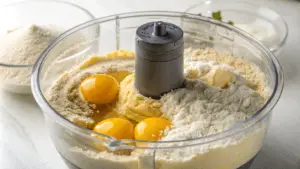
Prepping Your Ingredients
Before you start, gather all your ingredients and prep them properly. Blend your cottage cheese until smooth, measure out your sweeteners, and preheat the oven. These simple steps will make the entire process smoother and more enjoyable.
Additionally, ensure that all ingredients are at room temperature, especially the eggs. This little trick helps them mix evenly, resulting in a better-textured cottage cheese cake.
Mixing and Assembling
Start by creaming the cottage cheese with your chosen sweetener. Use a stand mixer or a handheld whisk to blend until the mixture is light and fluffy. Next, add your eggs one at a time, beating well after each addition. This step ensures the batter is well-aerated.
If you’re adding flavorings like lemon zest or vanilla extract, mix them in now. Fold in any additional ingredients, such as raisins or chocolate chips, gently to maintain the airy consistency.
Baking Tips for Perfection
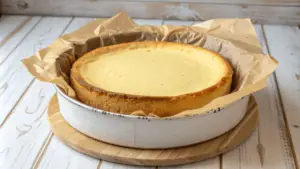
Pour your batter into a greased or parchment-lined pan to prevent sticking. Bake the cottage cheese cake at a moderate temperature around 325°F to 350°F to avoid over-browning. A water bath can also help regulate heat, preventing cracks on the surface.
To check if it’s done, insert a toothpick into the center; if it comes out clean, your cake is ready! Let it cool completely before serving to allow the flavors to develop fully.
Creative Serving Ideas for Cottage Cheese Cake
Delicious Toppings to Elevate Your Cottage Cheese Cake
Once your cottage cheesecake is baked to perfection, it’s time to get creative with toppings! The right garnish can transform your dessert, adding a layer of flavor and visual appeal.
Fresh berries, like strawberries, blueberries, or raspberries, pair beautifully with the rich, creamy texture of the cake. Drizzle honey or maple syrup over the top for a touch of sweetness. You can also go for a dollop of whipped cream or a sprinkle of powdered sugar to add elegance.
If you prefer something more indulgent, consider drizzling a bit of chocolate sauce or caramel on top. Toasted nuts, such as almonds or pecans, make a perfect addition for a crunchy contrast. The possibilities are endless!
Fruit Compote or Preserves
Another fantastic option for serving your cheesecake is a homemade fruit compote. A mix of cooked berries, such as blueberries or blackberries, with a hint of lemon zest and sugar creates a delightful, tangy topping that perfectly complements the cake’s smoothness. If you’re short on time, you can even use store-bought fruit preserves for a quick and easy option.
These fruit toppings add freshness and color, making your cake look and taste even more tempting!
Storing and Enjoying Your Cottage Cheese Cake
How to Store Cottage Cheese Cake
Once you’ve enjoyed a slice (or two) of your delicious cheesecake, you’ll need to know how to store the leftovers to keep it fresh. The most effective method is to wrap the cake securely in plastic wrap or store it in an airtight container to keep it fresh.Keep it refrigerated for up to 3 to 4 days. The cold temperature helps maintain its texture and flavor.
If you want to store the cottage cheese cake longer, you can freeze it. Just wrap it well in plastic wrap and foil; it will stay fresh for up to two months. When you’re ready to enjoy it, thaw it overnight in the fridge and serve as usual.
Making It Ahead of Time
One of the best parts about cottage cheesecake is that it’s perfect for making ahead. The flavors tend to develop and deepen after a day or two in the fridge, so this dessert is ideal for preparing in advance. Bake it a day or two before your event, and you’ll have a delicious treat ready to serve without any last-minute stress.
Tips for Perfecting Your Cottage Cheese Cake Every Time
Avoiding Common Mistakes
Even with the best recipe, a few pitfalls can trip you up while making a cottage cheese cake. One of the most common mistakes is skipping the step of blending the cottage cheese. Failing to do this can leave lumps in your batter, affecting the final cake’s texture.
Another frequent issue is overmixing the batter. While it’s tempting to ensure everything is thoroughly combined, overmixing can deflate the air in your batter, leading to a dense cake. Always mix gently, especially when folding in ingredients like raisins or chocolate chips.
Lastly, pay attention to baking time and temperature. Overbaking can dry out your cottage cheese cake while underbaking leaves it soggy in the middle. Keep an eye on it and use the toothpick test to ensure perfect doneness.
Enhancing Flavor and Presentation
To elevate your cottage cheese cake, experiment with flavors. Adding a splash of citrus zest or a pinch of spice, like nutmeg, can elevate its flavor. You can also layer your cake with fruit puree or jam before baking for a swirl effect that’s both beautiful and delicious.
Why Cottage Cheese Cake Deserves a Spot in Your Recipe Book
A Versatile Dessert for Any Occasion
The beauty of cottage cheese cake lies in its versatility. Whether hosting a family dinner, celebrating a special occasion, or simply indulging in a weekend treat, this dessert fits the bill. It’s easy to customize with seasonal ingredients, making it a year-round favorite.
Its balanced flavor profile also allows it to complement a wide range of beverages. Pair it with a hot cup of coffee in the morning, or serve it alongside a glass of dessert wine for an elegant evening treat.
The Perfect Balance of Taste and Nutrition
Unlike many desserts, cottage cheese cake balances indulgence and health. Packed with protein and calcium from the cottage cheese, it’s a dessert you can enjoy without guilt. Plus, with the ability to control the sweetness and use wholesome ingredients, it’s a better-for-you choice compared to other decadent cakes.
If you’re looking for a delicious and nourishing dessert, cottage cheese cake is the way to go. Its light, creamy texture, and customizable flavor make it a timeless addition to your recipe repertoire.
Creative Variations of Cottage Cheese Cake
Adding Unique Ingredients for a Twist
One of the most exciting aspects of cottage cheesecake is its versatility. You can quickly adapt the base recipe to suit your taste preferences or experiment with seasonal ingredients. For a fruity twist, add pureed mango, strawberry, or blueberry to the batter. These additions enhance the flavor and create a visually appealing marbled effect.
If you’re a fan of chocolate, mix cocoa powder into a portion of the batter or sprinkle chocolate chips throughout. For a nutty crunch, incorporate crushed pecans or almonds. Cinnamon or cardamom can add a warm, aromatic note to your cake.
International Variations of Cottage Cheese Cake
Around the world, bakers have put their own spin on cheesecake. In Eastern Europe, versions like Russian syrniki or Polish sernik often include a hint of citrus and dried fruits like raisins. In Japan, the cotton-soft cheesecake incorporates whipped egg whites, giving it a souffle-like texture.
These variations show how flexible this dessert can be. Whether you prefer a dense, creamy version or a light, airy one, there’s a cottage cheese cake style to suit your palate.
Frequently Asked Questions About Cottage Cheese Cake
Can I Make Cottage Cheese Cake Without Eggs?
Absolutely! While eggs are traditional in most cottage cheesecake recipes, there are excellent substitutes for those with dietary restrictions. Flax eggs (ground flaxseed mixed with water) or aquafaba (the liquid from canned chickpeas) work well as binding agents. They help maintain the structure of the cake without compromising flavor.
If you’re aiming for a vegan option, combining these egg replacements with plant-based cottage cheese is a fantastic alternative.
What Should I Do If My Cake Cracks?
A cracked top is a common issue when baking cheesecakes. To avoid this, bake the cake in a water bath, which provides even heat and prevents the surface from drying out too quickly. Additionally, avoid opening the oven door while the cake bakes, as sudden temperature changes can cause cracks.
Even if cracks appear, don’t fret! Cover them with a topping like whipped cream, fresh fruit, or a glossy glaze, and no one will notice.
[tasty-recipe id=”950″]